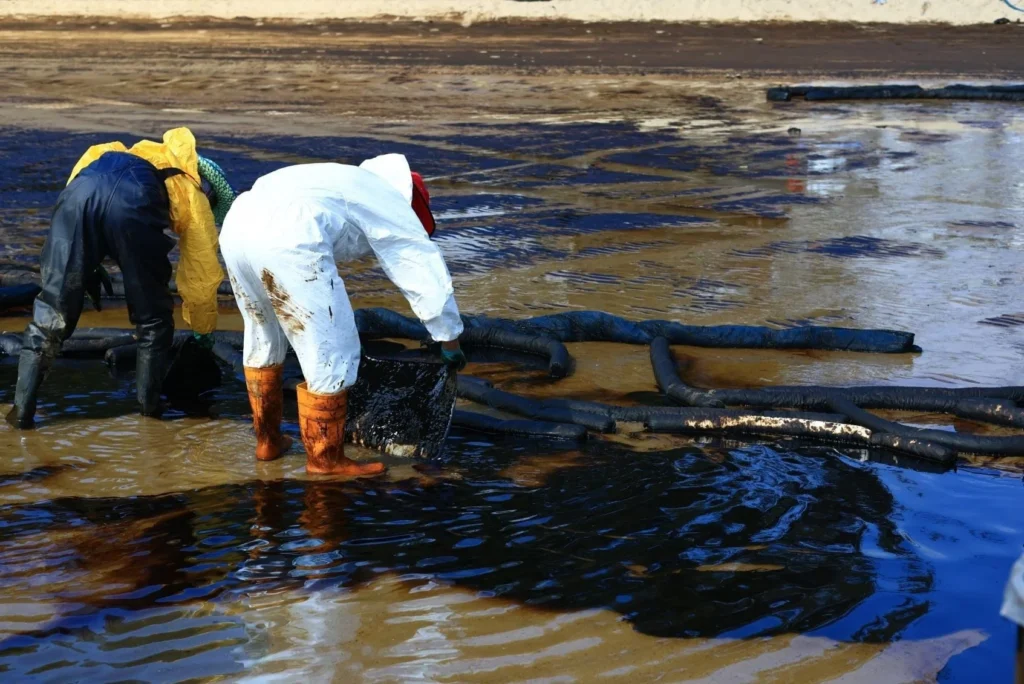
The Federal Government of Nigeria recently took a significant step forward in strengthening the country’s oil spill response architecture. In February 2026, the Secretary to the Government of the Federation inaugurated the Joint Project Management Committee for the maiden Nigeria International Oil Spill Summit and Expo (NIOSS) . This initiative, spearheaded by the National Oil Spill Detection and Response Agency (NOSDRA) in collaboration with private partners, aims to reposition Nigeria’s oil spill governance framework through strategic partnerships and the adoption of global best practices .
For companies operating in Nigeria’s oil and gas sector, these developments signal an era of increased regulatory scrutiny, enhanced coordination, and greater accountability. The summit is expected to launch transformative initiatives including a national oil spill database for real-time monitoring, strengthened inter-agency surveillance mechanisms, and community-centered response models . These are not merely bureaucratic exercises – they represent a fundamental shift in how oil spills will be detected, reported, and managed going forward.
At Danzuna Environmental Services Limited, we have been following these developments closely from our Port Harcourt base at No 5, Ada George. We understand that for oil companies, service providers, and host communities, the implications are significant. The proposed national oil spill database will enable real-time tracking of incidents, making it harder for spills to go undocumented or unaddressed. Stronger inter-agency surveillance means more eyes on pipeline networks and production facilities. And community-centered response models will empower local stakeholders to play an active role in environmental protection .
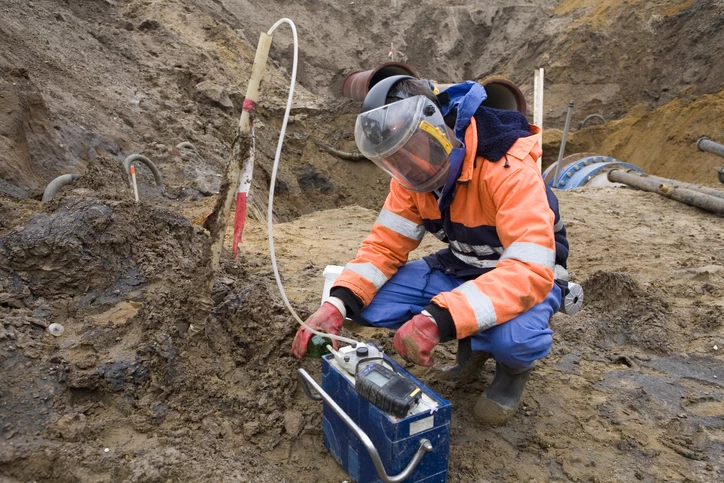
What does this mean for your business? First, preparedness is no longer optional. Companies must have robust spill contingency plans in place, with clearly defined response procedures, trained personnel, and readily available equipment. Second, documentation and transparency will be critical. The ability to demonstrate swift, effective response and comprehensive cleanup will be essential for maintaining regulatory compliance and community trust. Third, partnerships with experienced environmental service providers will become increasingly valuable as the regulatory landscape grows more complex.
The summit also aims to attract investment in remediation technologies, promote coastal resilience projects, and integrate innovative financing mechanisms including carbon credit frameworks to support long-term ecosystem restoration . For companies with remediation obligations, these developments could open new avenues for funding and technology transfer.
At Danzuna, we maintain 24/7 emergency response capability and stay abreast of all regulatory developments affecting our clients. Whether you need assistance developing spill contingency plans, training your response teams, or managing an actual spill incident, our team is ready to help. Contact us at enquiries@danzuna.com or call +234 703 004 2741 to learn more about how we can support your environmental compliance and response needs.