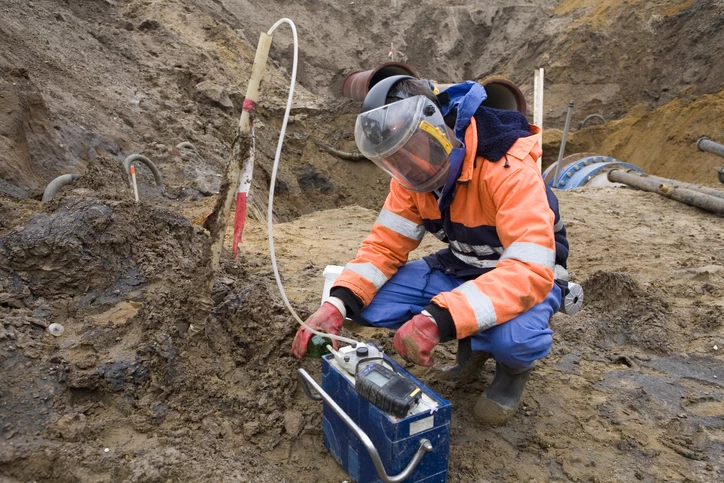
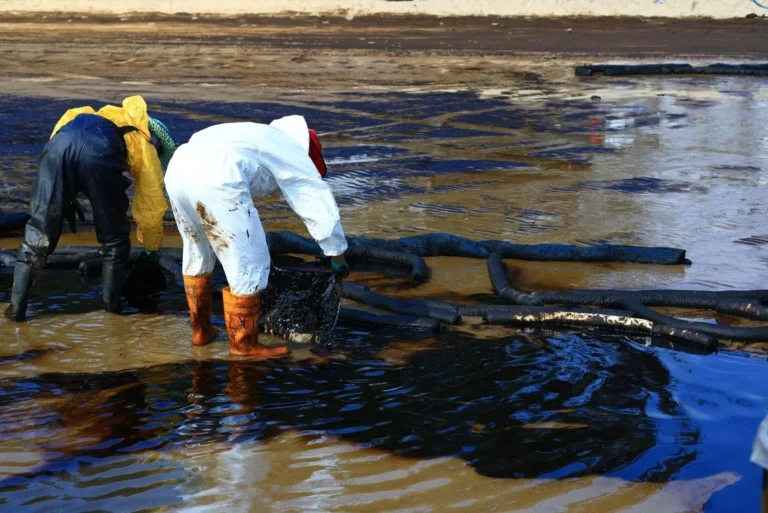
For decades, oil spills and industrial activities have contaminated significant areas of Nigerian soil, particularly in the Niger Delta region. The environmental and health impacts of this contamination are well documented, but what about the solutions? Recent research points to promising developments in bioremediation – the use of living organisms to break down environmental pollutants – that could offer more sustainable, cost-effective approaches to restoring contaminated lands.
One fascinating line of research has explored the bioremediation potential of Vernonia species, commonly known as bitter leaf, for restoring hydrocarbon-polluted clay soil in Ogoniland. Greenhouse experiments demonstrated that wet-blended Vernonia species achieved significant removal of hydrocarbon pollutants, with concentrations reaching 0.55 to 0.67 micrograms per milliliter . The remediation process showed a pH increase from acidic to alkaline, indicating successful metal remediation. After 40 days, the pH reached near-neutral levels of 6.97 to 7.00 with the application of Vernonia galamensis and Vernonia amygdalina, respectively .
The research revealed interesting variations between species and preparation methods. Vernonia amygdalina showed increasing remediation efficiency with higher mass applications, while Vernonia galamensis performed better at moderate application rates. The wet-blended preparation method showed higher remediation effects for certain contaminants compared to dried samples, highlighting the importance of application techniques in bioremediation success .
This research aligns with broader global trends toward nature-based solutions for environmental restoration. Bioremediation offers several advantages over conventional remediation methods. It can be significantly more cost-effective, particularly for large areas with moderate contamination levels. It is environmentally friendly, working with natural processes rather than against them. And it can be implemented with locally available materials, reducing dependence on imported technologies and creating local employment opportunities.
Another innovative approach gaining attention is the use of agricultural wastes as low-cost adsorbents for water and soil remediation. Research from Obafemi Awolowo University has demonstrated that common agricultural wastes including maize cobs, cocoa husks, rice husks, and sawdust can be processed into materials capable of removing toxic metals and other contaminants from polluted water . Maize cobs processed into biochar and modified with chitosan derived from snail shells achieved removal efficiencies of up to 90 percent for lead, demonstrating the potential of locally sourced, affordable alternatives to expensive imported treatment materials .
At Danzuna Environmental Services Limited, we follow these technological developments closely and incorporate appropriate innovations into our remediation projects. Based at No 5, Ada George in Port Harcourt, we serve clients across Nigeria requiring professional remediation of contaminated land and groundwater. Our approach combines proven techniques with emerging best practices, always tailored to site-specific conditions and regulatory requirements.
Whether your site requires bioremediation, soil washing, chemical oxidation, or other treatment approaches, our team can develop and implement a cost-effective solution that meets regulatory standards and restores your land to productive use. Contact us at enquiries@danzuna.com or call +234 703 004 2741 to discuss your remediation needs.